
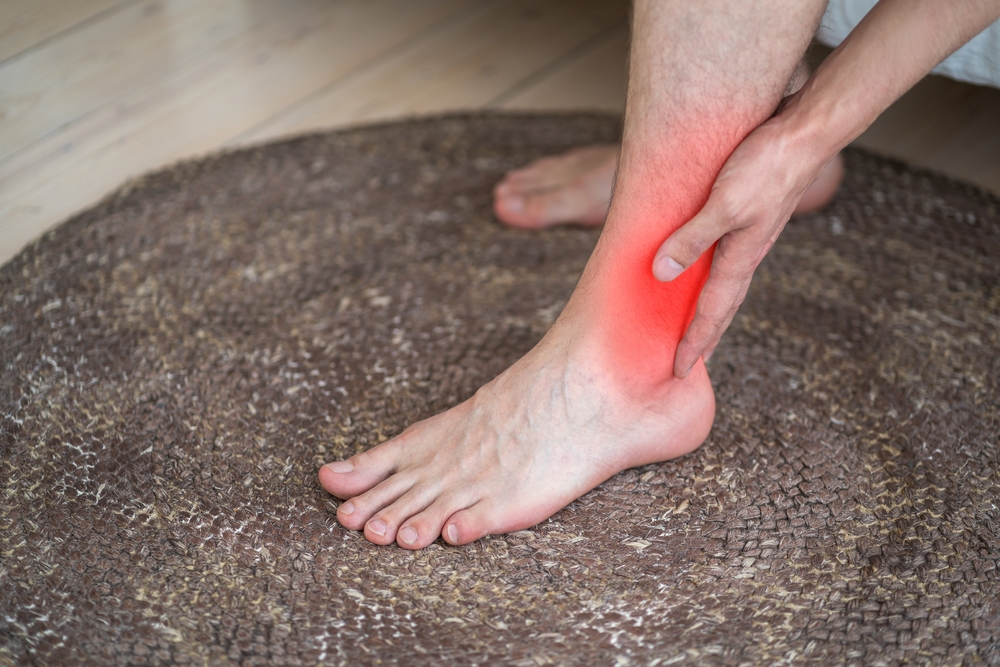
Soreness or stiffness behind your ankle can make simple activities like walking, climbing stairs, or exercising harder than usual. This discomfort may be due to Achilles tendonitis, which often develops when the tendon is repeatedly subjected to excessive strain. If the pain keeps returning or starts limiting your movement, Achilles tendonitis treatment near you can help determine the cause of your symptoms and how to manage them.
What Is Achilles Tendonitis?
The Achilles tendon is a strong band of tissue that connects the calf muscles to the heel bone. It plays an important role in everyday movement, helping you walk, run, jump, and push off the ground.
Achilles tendonitis occurs when this tendon becomes irritated due to repeated strain. Symptoms may develop gradually and often become more noticeable during or after physical activity.
Without proper care, the discomfort may continue and interfere with regular movement.
What Causes Achilles Tendonitis?
Achilles tendonitis often develops from repeated stress rather than a single injury. A sudden increase in physical activity can place more pressure on the tendon than it is prepared to handle.
Common causes and contributing factors include:
- Doing too much exercise too soon
- Frequent running or jumping
- Not giving your body enough time to rest
- Tightness in the calf muscles
- Difficulty moving the ankle freely
- Wearing footwear that does not provide enough support
- Changes in training surfaces or routines
Age and certain foot mechanics may also affect the strain placed on the Achilles tendon.
A podiatrist in Chino Hills can examine your foot and ankle to determine which factors may be contributing to your symptoms.
What Are the Common Symptoms?
Achilles tendonitis symptoms can vary depending on how irritated the tendon has become. Pain is often noticed near the heel or along the back of the ankle.
You may experience:
- Pain or tenderness along the tendon
- Stiffness around the heel and ankle
- Discomfort when walking or running
- Swelling around the affected area
- Pain that becomes worse with activity
- Morning stiffness that improves with movement
- Difficulty pushing off the foot comfortably
Symptoms that persist, worsen, or make normal activities difficult should be professionally evaluated.
How Is Achilles Tendonitis Diagnosed?
Diagnosis usually begins with a discussion about your symptoms, physical activities, footwear, and any recent changes to your exercise routine.
During the examination, your foot and ankle specialist may check for tenderness, swelling, flexibility, strength, and range of motion. They may also observe how you stand or walk.
Imaging may sometimes be recommended if more information about the tendon or surrounding structures is needed.
Visiting a podiatrist near you can help determine whether your symptoms are related to Achilles tendonitis or another foot or ankle condition.
How Is Achilles Tendonitis Treated?
Treatment depends on the severity of your symptoms, how long they have been present, your activity level, and the condition of the tendon.
Achilles tendonitis treatment in Chino Hills may begin with conservative care designed to reduce strain on the tendon and support gradual recovery.
Depending on your condition, treatment may include:
- Temporarily reducing activities that cause pain
- Applying ice as professionally recommended
- Stretching and strengthening exercises
- Physical therapy
- Supportive footwear
- Orthotics when appropriate
- Changes to exercise or training routines
More persistent cases may require additional treatment after a thorough evaluation.
How Long Does Recovery Take?
Recovery time is different for everyone. Mild symptoms may improve with appropriate changes in activity and care, while ongoing or more significant tendon problems may take longer to resolve.
Returning to exercise too quickly may place additional stress on the tendon. A gradual return to activity is usually recommended once pain, strength, and movement have improved.
Following your treatment plan and allowing enough recovery time can help prevent repeated irritation.
Can Achilles Tendonitis Be Prevented?
Achilles tendonitis cannot always be prevented, but taking steps to reduce stress on the tendon may help lower the risk.
Consider these simple habits:
- Increase exercise intensity gradually.
- Warm up before physical activity.
- Wear shoes suited to your activity.
- Give your body enough time to recover.
- Maintain calf and ankle flexibility.
- Avoid repeatedly exercising through pain.
Paying attention to early discomfort can also prevent a minor problem from becoming more difficult to manage.
When Should You Seek Professional Care?
Mild soreness after exercise may get better with rest. However, if the pain keeps returning, worsens, or makes walking difficult, it is best to have it evaluated by a healthcare professional.
Sudden severe pain or difficulty putting weight on the affected foot may indicate a more significant injury and should be evaluated promptly.
Get Back to Moving More Comfortably
Ongoing heel or ankle pain can make everyday movement and the activities you enjoy more difficult. Getting the right evaluation can help you understand the problem and find an appropriate path forward.
Contact Chino Hills Foot & Ankle Center today to schedule an appointment and take the next step toward healthier, more comfortable movement.
Frequently Asked Questions
1. Can Achilles tendonitis develop suddenly?
Symptoms often develop gradually, although a sudden increase in activity can quickly make discomfort more noticeable.
2. Can I walk with Achilles tendonitis?
Walking ability depends on symptom severity, but activities that cause increased pain may initially require temporary modification.
3. Does Achilles tendonitis heal on its own?
Mild cases may improve with appropriate care, but persistent symptoms should be professionally evaluated for treatment.
4. Can stretching help Achilles tendonitis?
Appropriate stretching may improve flexibility, but exercises should be selected carefully based on your individual condition.
5. Can footwear contribute to Achilles tendon pain?
Yes. Unsupportive or unsuitable footwear may increase stress on the tendon during walking, running, or exercise.
6. Can Achilles tendonitis come back after treatment?
Yes. Symptoms may return if the tendon is repeatedly strained or if activity increases too quickly again.