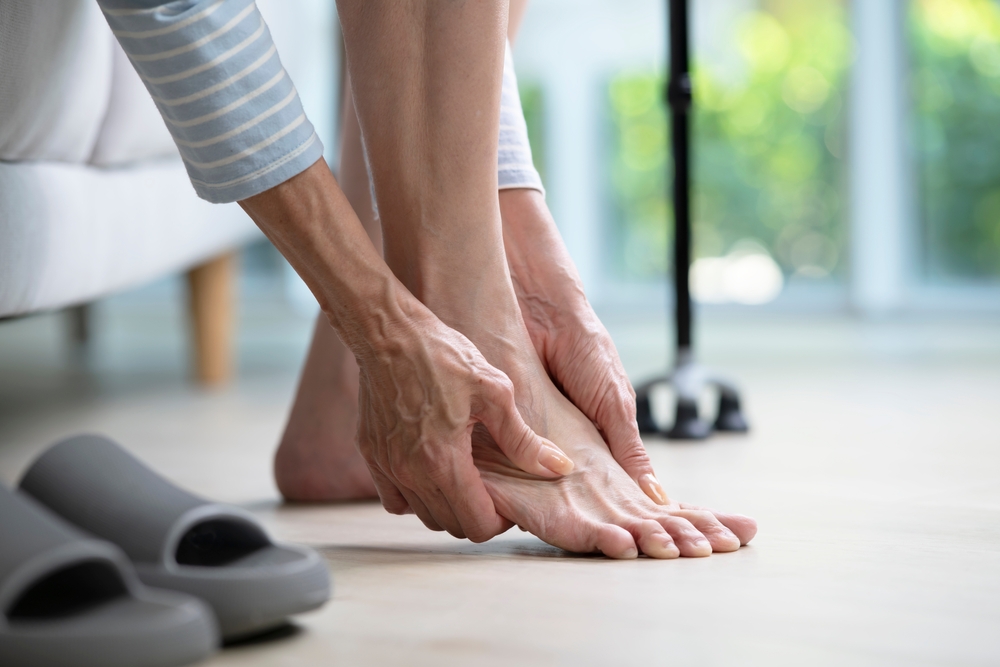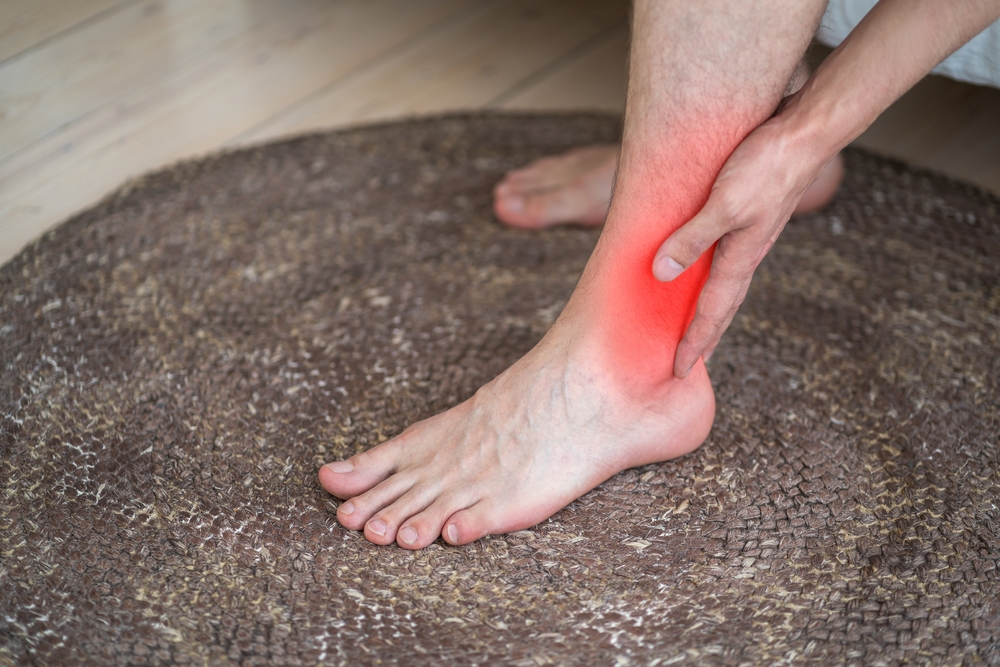

Itching, peeling, burning, or cracked skin between the toes can be frustrating, especially when the problem keeps returning. If you are unsure whether a rash is fungal or has not improved with self-care, a podiatrist near you can help determine its cause. Athlete’s foot, also called tinea pedis, is a fungal infection that commonly affects the skin between the toes, soles, and sides of the feet.
The key to lasting improvement is treating the fungus consistently while reducing the moisture and exposure that can allow it to return.
Why Does Athlete’s Foot Come Back?
The fungi that cause athlete’s foot thrive in warm, damp conditions. Sweaty feet, wet socks, enclosed shoes, locker rooms, public showers, and pool areas can increase exposure. The infection can also spread through contaminated towels, shoes, or other personal items.
You do not have to be an athlete to develop it. Anyone can get athlete’s foot, particularly when the feet stay moist or the skin is cracked or damaged.
What Are the Common Symptoms?
Athlete’s foot can affect one or both feet. Common symptoms include:
- Itching, burning, or stinging
- Peeling, dry, or cracked skin
- Soft or white skin between the toes
- Dry, flaky skin on the soles or sides of the feet
- Small blisters
- Red, irritated, or darker-looking skin
Keep in mind that not every itchy or flaky rash is caused by a fungal infection. Conditions like eczema and dermatitis can look similar. If your symptoms do not improve with treatment, it is a good idea to confirm the cause before using another product.
How Is Athlete’s Foot Treated?
Mild cases can often be treated with an over-the-counter antifungal cream, spray, or powder. Common active ingredients include terbinafine, clotrimazole, miconazole, and tolnaftate. The best option depends on the product and your circumstances, so follow the package directions carefully.
Do not stop treatment simply because the itching disappears. Skin can look better before the infection has completely cleared. Using the medicine for the recommended period helps reduce the chance that the fungus remains and causes another outbreak.
If an over-the-counter treatment does not help, see a healthcare professional. They may prescribe a stronger antifungal medicine. In some cases, a severe or long-lasting infection may need antifungal tablets.
Also, avoid applying a steroid cream to a rash that may be fungal unless a healthcare professional tells you to. Steroids can make ringworm infections worse.
How Can You Prevent It From Returning?
Medication is only part of long-term management. Fungi grow more easily when your feet remain warm and wet, so daily foot care matters.
- Wash your feet and dry them thoroughly, especially between the toes.
- Change socks every day, or more often when they become damp.
- Choose socks that help move moisture away from the skin.
- Let shoes dry completely before wearing them again and rotate pairs when possible.
- Choose footwear that allows air to circulate.
- Wear sandals or shower shoes in public showers, pools, gyms, and locker rooms.
- Do not share towels, socks, or shoes.
- Avoid scratching the affected skin because the fungus can spread to other areas.
These habits are worth continuing after symptoms improve. They cannot guarantee that the infection will never return, but they can reduce the conditions that encourage reinfection.
Can Athlete’s Foot Spread to the Nails?
Yes. The fungus can spread from the skin to the toenails or other areas of the body. Scratching an infected foot and then touching another area can also transfer the infection.
Toenail fungus usually needs a different treatment approach than athlete’s foot on the skin. If a toenail becomes thick, discolored, brittle, or distorted, have it evaluated rather than assuming it is simply part of the skin infection.
When Should You See a Foot Specialist?
Consider a professional evaluation if your symptoms are not improving after appropriate over-the-counter treatment, keep returning, or are getting worse. A healthcare professional can examine the skin and, when necessary, take a small sample to help confirm the diagnosis.
Get medical help quickly if your foot becomes very painful, warm, swollen, or red. You should also seek care if you notice fluid, pus, or open sores. If you have diabetes or a weak immune system, be extra careful about new or worsening foot problems.
For patients seeking athlete’s foot treatment in Chino Hills, a professional evaluation can help determine whether the symptoms are caused by fungus and whether additional treatment is needed.
What Can You Do If It Keeps Coming Back?
Recurring athlete’s foot does not necessarily mean treatment has failed. The infection may have returned because treatment ended too soon, the feet remain damp, or you were exposed to the fungus again. An untreated fungal infection involving the nails can also contribute to repeated skin infections.
If you need athlete’s foot treatment near you, persistent symptoms are a good reason to seek professional guidance rather than repeatedly switching between home remedies and over-the-counter products.
Take the Next Step for Persistent Foot Symptoms
At Chino Hills Foot & Ankle Center, you can talk with a qualified foot and ankle specialist about foot problems that do not go away or keep coming back. If your symptoms are not improving with proper self-care, schedule an evaluation to determine the possible causes and learn about your treatment options.
FAQs
Can athlete’s foot go away without treatment?
Athlete’s foot may not go away on its own and can get worse over time. Antifungal treatment and good foot hygiene can help clear the infection and prevent it from coming back.
How long does treatment take?
Mild athlete’s foot often gets better within a few weeks with proper treatment. Follow the product instructions and finish the full course, even if your symptoms improve sooner.
Are home remedies a good alternative?
Home remedies may not work as well as proven antifungal treatments and can sometimes irritate the skin. An antifungal product or advice from a healthcare professional is a better option.
What if the rash keeps coming back?
A rash that keeps coming back may be caused by incomplete treatment, moisture, nail fungus, or another skin problem. A podiatrist in Chino Hills can check the cause and recommend the right treatment.