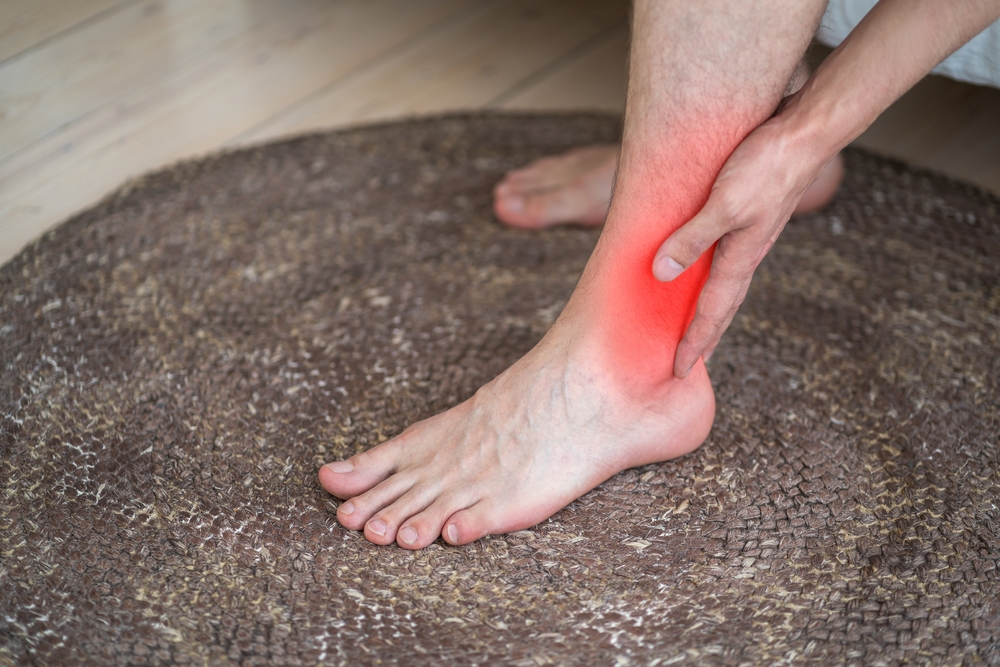

A bump at the base of your big toe may make you think you need surgery. But in most cases, surgery is not necessary. Many people manage bunion symptoms with changes in footwear, padding, inserts, and other nonsurgical measures. If you are considering bunion treatment in Chino Hills, the decision should be based more on pain and how the condition affects your daily life than on appearance alone.
Nonsurgical treatments can reduce pain and make the bunion more comfortable, but they cannot permanently straighten the bones. Surgery is the only treatment that can correct the bone deformity itself.
What Is a Bunion?
A bunion, also called hallux valgus, is a common foot problem that affects the joint at the base of the big toe. The joint moves out of its normal position, causing the big toe to lean toward the other toes. This can create a noticeable bump on the inside of the foot.
Some people have a bunion without any pain. Others may have swelling, tenderness, stiffness, calluses, or irritation from shoes. In some cases, a bunion can also make it harder to find comfortable shoes or walk normally.
A podiatrist can usually identify a bunion by examining your foot. If more information is needed, weight-bearing X-rays may be taken to check the position of the bones and the condition of the joint. These images can also help guide treatment decisions.
When Can a Bunion Be Managed Without Surgery?
Conservative care is usually the starting point when symptoms are manageable. The goal is to reduce pressure and friction around the joint and make walking or wearing shoes more comfortable.
Common options include:
- Roomier shoes: Wear shoes with a wide toe area and enough space so your toes are not squeezed.
- Bunion pads: A soft pad can protect the bunion from rubbing against your shoe. However, thick pads may sometimes add more pressure.
- Orthotics or shoe inserts: These may redistribute pressure and improve comfort for some patients.
- Toe spacers or splints: These can sometimes reduce pressure or help with comfort, but they do not permanently correct the deformity.
- Ice: A cold pack wrapped in a towel may reduce soreness and swelling after activity.
- Pain medicines: Acetaminophen or anti-inflammatory medicines may help some people, but medication safety depends on your health and other medicines you take.
These measures are intended primarily for symptom relief. They cannot be expected to remove an established bunion or permanently restore normal bone alignment.
If you are looking for a podiatrist in Chino Hills, choose a provider who evaluates your symptoms, footwear, walking pattern, joint movement, and overall foot health rather than focusing only on how large the bunion appears.
Does a Larger Bunion Mean You Need Surgery?
Not always. A large bunion does not always mean you need surgery. If it does not cause pain or affect your daily activities, surgery may not be necessary.
A healthcare provider may recommend surgery when a bunion causes ongoing pain or makes it difficult to walk, wear shoes, or do everyday activities. Surgery is usually not done just to improve the appearance of the foot or to prevent a painless bunion from getting worse.
What matters most is how you feel and how the bunion affects your daily life. If you can walk comfortably, wear suitable shoes, and have little or no pain, your podiatrist may suggest monitoring the bunion and trying nonsurgical treatments.
Your foot specialist can help you decide whether you need treatment or need to monitor the bunion over time.
When Should Surgery Be Considered?
Surgery may become an option when pain remains significant despite appropriate nonsurgical treatment. It may also be considered when a bunion makes comfortable footwear difficult or limits normal activities such as walking or standing. Persistent inflammation, stiffness, or related problems involving nearby toes may also warrant a discussion of surgery.
Before recommending surgery, a foot specialist considers factors such as the deformity, joint condition, activity level, general health, and response to previous treatment. Imaging can help the surgeon assess bone alignment and select an appropriate procedure. If you are searching for a podiatrist near you, a foot specialist can evaluate your condition and discuss whether surgery may be right for you.
What Happens During Bunion Surgery?
There is no single procedure for every bunion. Depending on the deformity and the condition of the joint, surgery may involve removing part of the prominent bone, cutting and repositioning a bone, adjusting surrounding soft tissues, or fusing a damaged joint. Screws, plates, or other fixation may be used to hold bones in the corrected position while they heal.
Recovery time depends on the type of surgery. Some people can put weight on their foot soon after surgery, while others need to keep weight off it longer. Swelling and stiffness are common during recovery, and it may take several months for the foot to heal fully. Before surgery, your surgeon should explain how long you may need to limit activities, how to care for the wound, what shoes you can wear, and when you need follow-up visits.
Like other surgeries, bunion surgery has potential risks, including infection, nerve problems, stiffness, delayed healing, continued pain, and recurrence. The possible benefits and risks should be considered together rather than assuming surgery is automatically the better option.
How Can You Tell Which Approach Makes Sense?
There is no reliable decision based on bunion size alone. Consider seeking an evaluation if you have:
- Pain that is persistent or increasing
- Difficulty finding shoes that do not rub the bunion
- Trouble walking or standing for normal activities
- Increasing stiffness at the big toe joint
- Recurrent irritation, calluses, or swelling
- Symptoms that continue despite footwear changes and other conservative measures
If you are looking for bunion treatment near you, an evaluation does not mean you need surgery. It can help you understand whether managing your symptoms is enough or if your bunion and symptoms may require surgery.
Can Conservative Care Stop a Bunion From Progressing?
Conservative measures may reduce pressure and symptoms and may help some people slow progression, but they do not reverse the established structural deformity. Proper footwear is particularly important because tight, narrow, or pointed shoes can increase pressure on the affected joint.
There is also no need to wait until a bunion becomes severe before asking for guidance. Early evaluation can help you understand your options and address pain before it begins limiting everyday activities.
Ready to Take the Next Step for Bunion Relief
If bunion pain is interfering with walking, footwear, or daily activities, Chino Hills Foot & Ankle Center can evaluate your foot and discuss conservative care or surgical options based on your individual needs. A professional assessment can help you understand what is causing your symptoms and whether surgery is actually necessary.
Contact us to schedule an evaluation and discuss your treatment options.
FAQs
Can I live with a bunion without having surgery?
Yes. If a bunion is painless or symptoms remain manageable, surgery may not be necessary. Many people use footwear changes and other conservative measures to control discomfort.
Can shoes or toe spacers permanently straighten a bunion?
No. They may reduce pressure or improve comfort, but they do not permanently correct established bone misalignment.
Should I have surgery just because my bunion is getting bigger?
No. Increasing size alone is not generally a reason for surgery. Persistent pain and limitations in daily activities are more important considerations.
When should I get my bunion evaluated?
Consider an evaluation when pain does not improve with reasonable home measures, walking becomes uncomfortable, shoes repeatedly irritate the area, or the deformity is affecting your normal activities.